The Best Advice You Can Ever Receive About Double Glazing For Noise Reduction
Double Glazing for Noise Reduction: A Comprehensive Guide
Double glazing, often associated with energy effectiveness and temperature policy, likewise serves a vital function in noise reduction. In a period where urban living is defined by increasing sound pollution, lots of people are turning to double-glazed windows as an option. repairmywindowsanddoors.co.uk explores how double glazing works for noise reduction, its benefits, types, and common questions regarding its installation and effectiveness.
Understanding Double Glazing
Double glazing involves the setup of 2 panes of glass in a window frame, separated by a space filled with air or gas. This design helps to create a barrier that decreases sound transmission. Here's an introduction of how it works:
1. Sound Insulation Properties: The air or gas in between the panes functions as an insulating barrier that dampens acoustic waves.
2. Density Variation: The usage of different thicknesses of glass can assist in decreasing sound as thicker glass can attenuate more sound than thinner choices.
3. Frame Material: The material of the window frame likewise adds to its soundproofing performance. Frames made from products like vinyl or fiberglass tend to offer much better insulation.
Benefits of Double Glazing for Noise Reduction
Buying double glazing offers various benefits, especially for those living in noisy environments:
1. Decreased Noise Pollution
Double glazing considerably decreases external noise, making living in hectic urban areas more comfortable.
2. Enhanced Comfort
Individuals living in loud communities often find that double-glazed windows improve their comfort levels by offering a quieter indoor environment.
3. Much Better Sleep Quality
A decrease in ambient noise can lead to better sleep quality, as disturbances from outdoors are reduced.
4. Increased Property Value
Homes geared up with double glazing are frequently more appealing to buyers. Sound decrease is a valuable function that can boost home value.
5. Energy Efficiency
While the primary focus here is noise decrease, double glazing likewise contributes to much better thermal insulation, causing lower energy bills.
Types of Double Glazing
There are a number of kinds of double-glazed windows available, each offering differing levels of sound insulation.
Type
Description
Noise Reduction Level
Standard Double Glazing
Two panes of glass with a spacer bar filled with air or Argon gas, suitable for average noise decrease.
Moderate
Acoustic Double Glazing
Specifically created with varying pane thicknesses for boosted sound insulation.
High
Laminated Double Glazing
This type includes a layer of PVB (polyvinyl butyral) that provides exceptional noise decrease together with extra security.
Really High
Triple Glazing
Three panes of glass rather of two, further improving sound and thermal insulation.
Extremely High
Aspects Influencing Noise Reduction
When selecting double glazing for sound reduction, numerous elements do come into play:
- Glass Thickness: Thicker glass can considerably minimize greater frequency sounds.
- Pane Spacing: A broader space in between panes might improve sound insulation.
- Frame Material: Materials like aluminum might perform sound more than wood or vinyl.
- Sealing Quality: Well-sealed windows prevent sound leakages.
Installation of Double Glazing
The efficiency of double glazing in minimizing sound is greatly reliant on appropriate setup. Here are the steps usually associated with the installation process:
- Assessment: An expert assesses the current window circumstance and figures out the best double glazing choices.
- Choice: Choose the appropriate type based upon personal needs and ecological aspects.
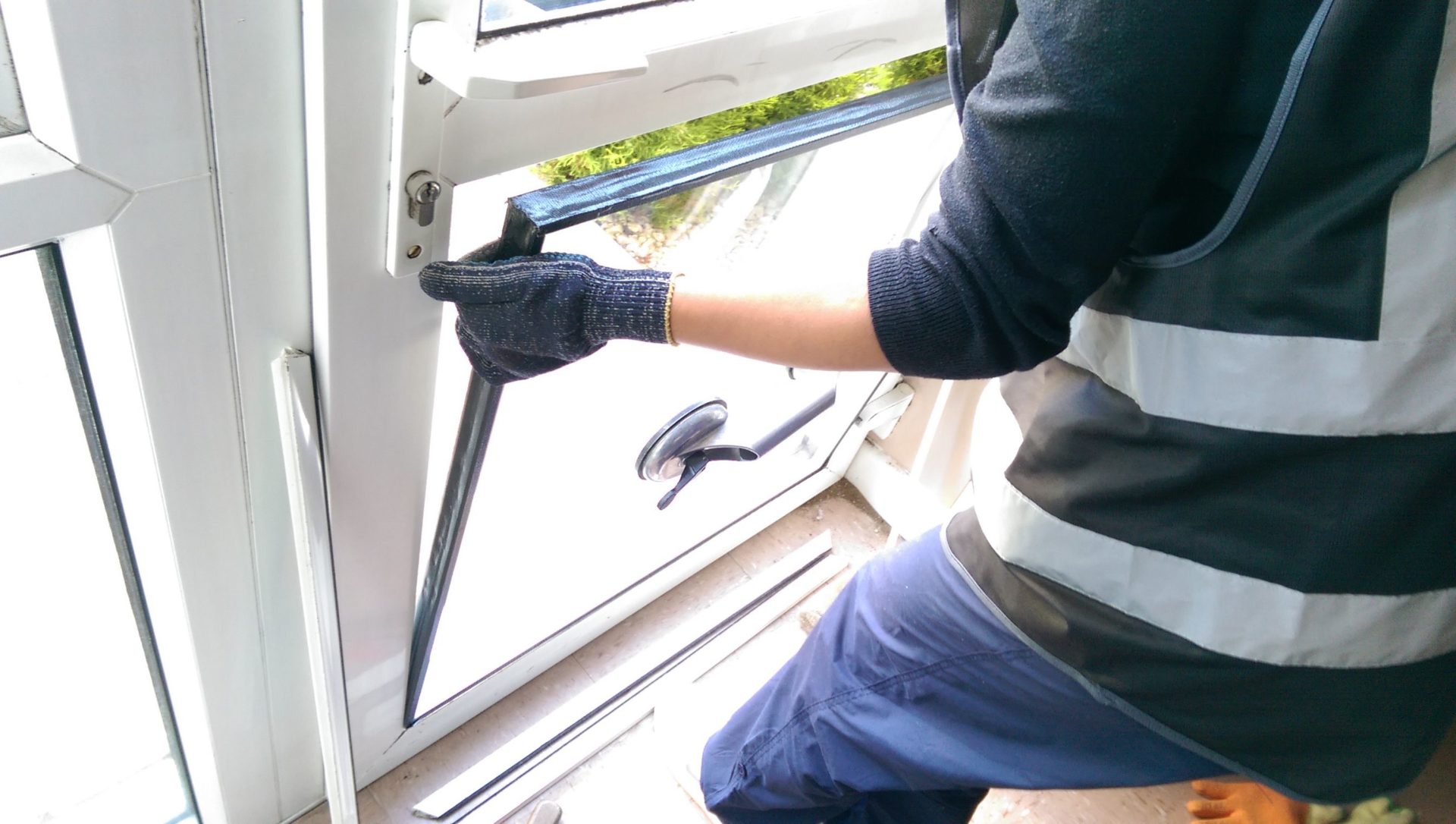
- Removal of Existing Windows: Careful elimination of old windows to guarantee the structure is sound.
- Setup of Frames: Secure installation of double-glazed units into the existing frame.
- Sealing: Ensuring all spaces are sealed effectively to prevent sound leakage.
- Last Inspection: A last check to validate that installation meets quality requirements.
Regularly Asked Questions (FAQs)
Q1: How much sound can double-glazed windows minimize?A: Double-glazed windows can minimize noise by about 28 to 32 decibels, making a considerable difference in sound quality.
Q2: Is acoustic double glazing worth the investment?A: For individuals living in particularly noisy areas, the financial investment in acoustic double glazing can provide substantial advantages in convenience and wellness.
Q3: Can I set up double glazing myself?A: While DIY setup is possible for those with experience, hiring specialists is suggested for optimal sealing and effectiveness.
Q4: How does double glazing compare to other soundproofing methods?A: While double glazing is reliable, integrating it with other soundproofing strategies, such as soundproof curtains, can yield even much better results.
Q5: Will my energy bills decrease with double glazing?A: Yes, double glazing typically enhances thermal insulation, causing minimized energy expenses.
Double glazing is not merely an investment in energy efficiency; it is a practical solution for those seeking respite from sound pollution. With a variety of choices and benefits, it can significantly improve living conditions, particularly in metropolitan settings. Homeowners are encouraged to consider their specific requirements and consult with specialists to pick the best kind of double glazing for their circumstance. In a world where peace and quiet can feel like a high-end, double glazing uses a meaningful method of recovering convenience in one's home.